On the Parent Shelf: Range

Updated: May 11
While not a traditional “parenting book,” Range can shift the way you see kids, learning, and development, which naturally carries into how you parent. It challenges the pressure to specialize early and offers a different way to think about how people build skills, develop interests, and learn to think more flexibly.

Exploration first. Depth later. Stronger thinking over time.
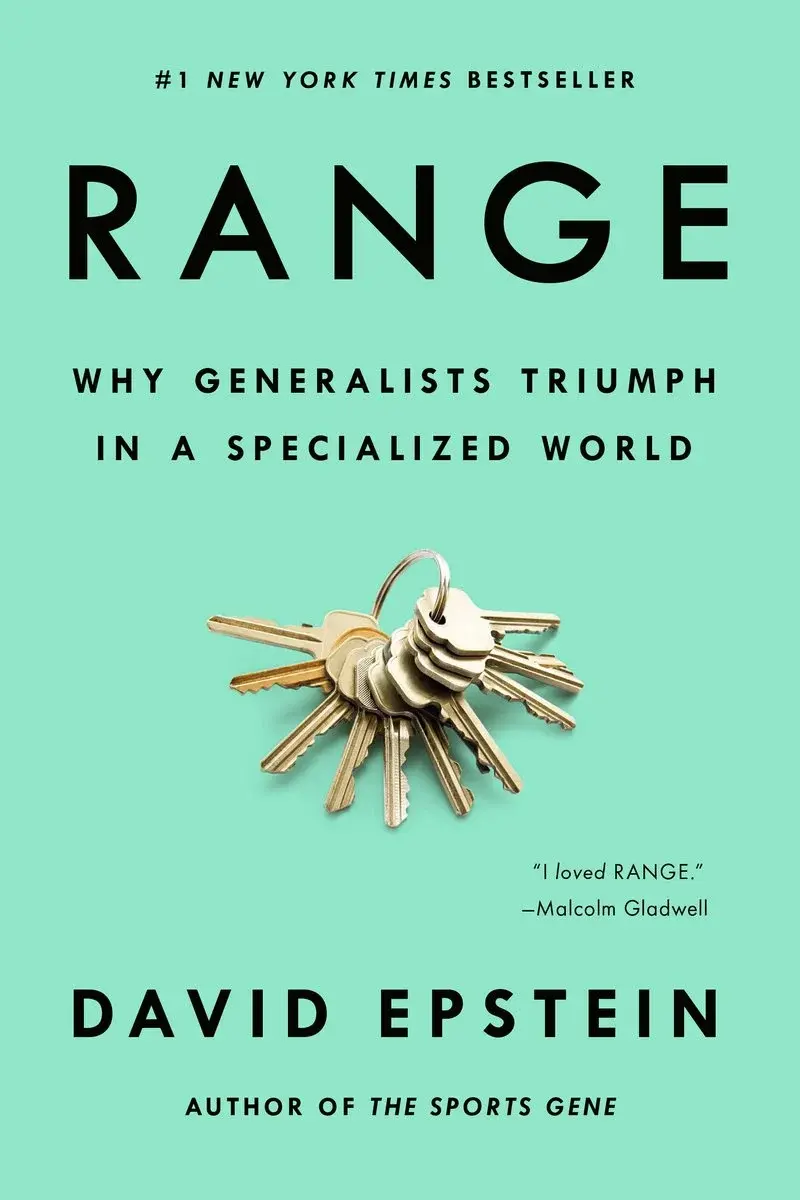
This book makes a strong case for exploration, not as something extra, but as something essential. It pushes against the message many parents hear that kids should find their thing early, stick with it, and get ahead. Instead, Range shows the value of broad experiences and makes the case that trying many things can help kids become more capable, adaptable thinkers.
Epstein doesn’t just make a philosophical case for exploration. He draws from the science of learning to show why varied experiences can build the kind of thinking we rely on when we face something unfamiliar.
You see this in the way kids approach something new. When kids have had room to explore, they have more experiences to draw from, and they are more likely to make connections, try different approaches, and keep going when the first idea doesn’t work. But when kids feel pressure to find their thing early or prove they are good at something right away, they can become more hesitant to step outside familiar territory. Over time, that difference shapes how willing they are to try, adjust, and stay open when things don’t go as planned.
So much of learning and problem solving depends on making connections. We often understand something new by relating it to something we already know. Range gets at this through the idea of analogical thinking, the ability to recognize deeper similarities between situations that may not look alike on the surface. This becomes especially important when we face unfamiliar or “wicked” problems, the kind of problems that don’t have one clear path, one obvious answer, or one practiced solution. The broader our experiences are, the more we have to draw from when we face something new. Breadth of experience helps us become more flexible, creative problem solvers.
What I appreciate about this book is that it doesn’t overcorrect. It’s not saying that we shouldn’t specialize or go deep. It’s saying that specialization is often rushed. Depth matters, but it often becomes stronger when it comes after a period of exploration.
If you’ve ever found yourself wondering whether your child should stick with one thing or try a range of things, or whether they’re falling behind because they haven’t found their “thing” yet, this book is worth your time. More than anything, it’s a reminder that exploration is not wasted time. Giving kids the space to explore, try things out, and build a range of experiences and skills before narrowing in gives them more to draw from when they face something new. It helps them become more flexible thinkers and more creative problem solvers.
Explore the Parent Shelf
The interactive book stack below includes the books I most often recommend to parents. As this series grows, each book will become clickable with a quick snapshot, key takeaways, and a link to the full post.


Comments